Table Of Content
- Submit to get your retirement-readiness report.
- How much does it cost to retire on a cruise ship?
- Planning for Retirement in Your 50s: Catching Up From A Late Start
- Other Considerations for Retiring on a Cruise Ship
- Part 4: Getting Your Retirement Ready
- The Costs of Cruise Ship Retirement vs Retirement Community/Home

How much extra that costs you depends on the cruise line (and how often you do laundry). Or you could splurge on an outdoor cabin with a balcony for $98,226 per year. Some passengers are able to take advantage of loyalty perks they've acquired on previous voyages. Also, take into account the broader list of amenities to determine whether a cruise line offers the features that interest you most. For example, you may be looking for an on-deck walking track, gym, or yoga studio so you can keep up your fitness routine. Or you may want a cruise that allows you to pamper yourself with regular spa treatments.
Submit to get your retirement-readiness report.
They won't hesitate to kick you off the ship if you need more appropriate care on land – and then you'd need to quickly find a new place to live while suffering from medical concerns. While retiring on cruise ships can make sense for some from a financial standpoint, it should not be seen as a miracle solution to retirement logistics. By spending significant time at sea, you will almost certainly have to face the realities of distance from family and other loved ones.
How much does it cost to retire on a cruise ship?
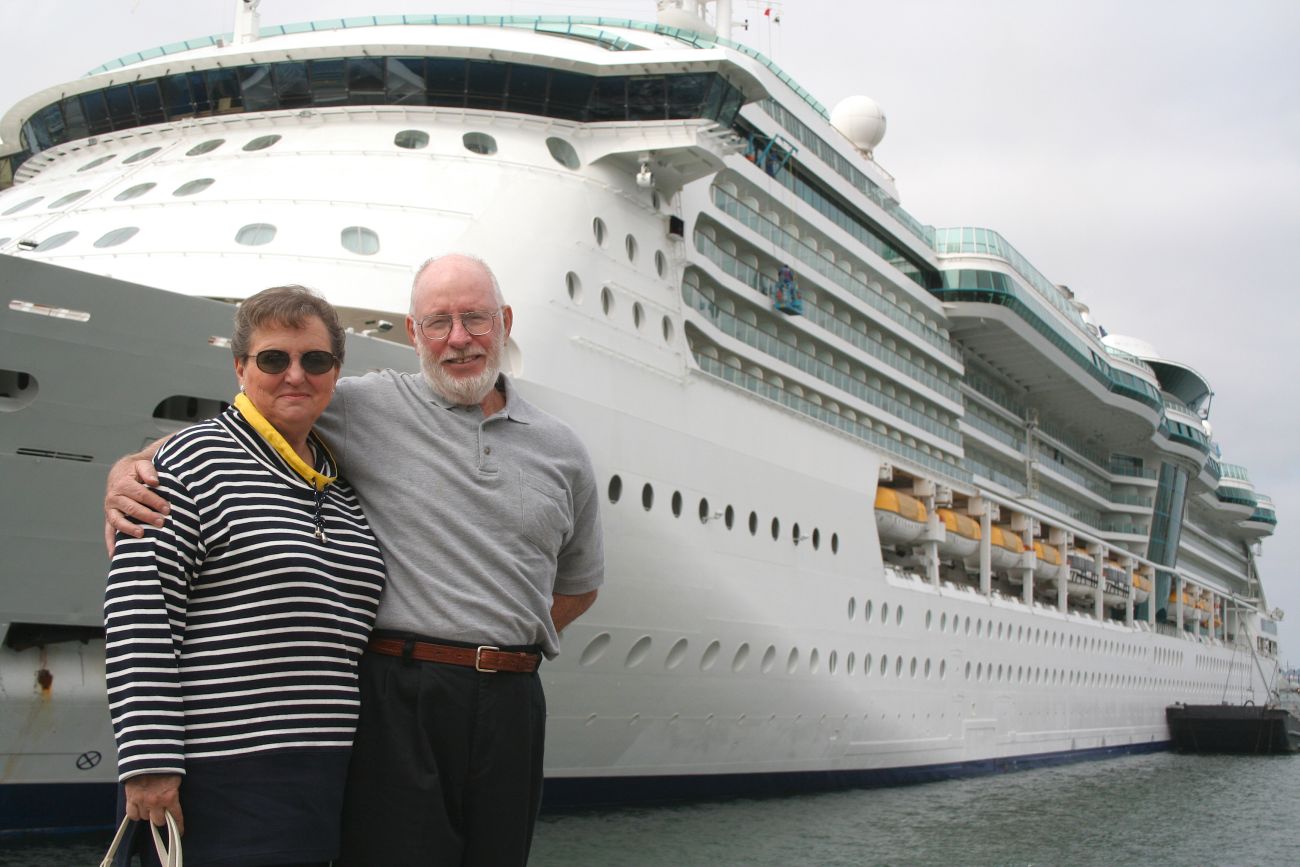
Now, envision an alternative that fits your budget and packs your days with diverse cultures, scenic views, and a community always on the move. Welcome to the world of retiring on a cruise ship—a choice that’s becoming increasingly popular for its surprising affordability and rich array of experiences. If you have dreamed of living on a cruise ship when you retire, then you will be happy to know that this is possible. Several cruise lines allow people to purchase an apartment or condo onboard. Cruise ship living can be expensive so it’s important to start budgeting for your retirement dream early. Spending retirement on a cruise ship is not a new concept; retirees were the most active cruise travelers in 2018.
Planning for Retirement in Your 50s: Catching Up From A Late Start
'We Bought a Home on a Cruise Ship': A Wonderful, Novel Way To Retire - Realtor.com News
'We Bought a Home on a Cruise Ship': A Wonderful, Novel Way To Retire.
Posted: Fri, 29 Mar 2024 07:00:00 GMT [source]
But unlike many of his fellow cruise passengers, Farschman basically lives at sea. He spends months traveling the world's oceans and waterways — half of the year, if not more. Although he still keeps a physical home near where he grew up in Delaware, Farschman is now part of a growing cohort of older folks who are literally "retiring" on cruise ships. In a 2016 report, Wachtstetter said her average daily costs on the luxury Crystal Serenity were about $450. Budget-friendlier cruises cost much less — as little as $50 a day for a small windowless room, not including taxes, fees, gratuities and extras like soda or alcohol. Given all the pros and cons of cruising, the best time to retire at sea might be when you are considering a move to assisted living.

Other Considerations for Retiring on a Cruise Ship
This included the ticket price and onboard spending for food, entertainment and miscellaneous purchases. Based on that number, the average cost of living aboard a cruise ship year-round would total a little more than $77,000 for retirees taking a nomadic approach. So if you were planning to spend 20 years in retirement, you could spend $1.54 million to live on a cruise ship. While the upfront cost might seem all-inclusive for cruise ship living, extras like internet access, laundry services, and specialty medical care can add up. Additionally, long-term health care and emergency repatriation (if necessary) are significant considerations that require additional planning and insurance.
Prices can also vary based on the ship, cruise line, and time of year you’re sailing. In other words, there is a wide range of what you’ll pay to retire on a cruise. "There are also monthly or annual costs to cover things like fuel, port fees, taxes and house-keeping," McDaniel explained. "It's kind of like living in a condo – that just happens to be at sea."
That comes out to about $330 per day for a couple traveling together and includes cruise fare, taxes, and gratuities. The medical staff on a cruise ship are almost never licensed to U.S. standards. And while most cruise ships have relatively well-equipped urgent care facilities, they’re certainly not hospitals, so if you have an emergency you can expect some serious delays in getting to one. And if you happen to be floating near a country with a less-than-state-of-the-art medical industry, you’ll be out of options. And it’s very likely that your health insurance won’t cover you when you’re on a cruise ship.
However, if the ship is in a U.S. port or within U.S. territorial waters, Medicare may cover medically necessary services, but with limitations. According to Cruise Market Watch, the projected per-passenger cruise expense is even more at around $259 per day. This is based on the cruise ship cost and other spending on-board including food, entertainment, and other purchases. Cruise ships typically offer a variety of activities suitable for retirees, such as art and photography classes, dance classes, lectures, book clubs, and game nights. Additionally, cruises often feature live musical entertainment and special events to keep passengers entertained throughout their voyage. Some cruise lines offer all-inclusive pricing which includes meals, house beverages, most activities, gratuities, and medical insurance.
Is retiring on a cruise ship still the dream lifestyle you envision?
Even if you crunch the numbers and retiring to cruise ships makes financial sense for you, you’ll be living in an isolated community designed to soak you for money, not support you in your old age. Unless you have a very compelling case, chances are you will come to regret retiring to a cruise ship very, very quickly. Cruising seems like an adventure until the ship you’re on makes its 20th stop at the same port. Yes, you can switch it up and change ships, but this will just add to the disruption and stress in your life—and most cruises go to the same places, so you’ll quickly run out of new places to visit. And the amenities on your ship won’t change often, leaving you with a very familiar slate of entertainment and activity options day after day, forever. Many of us form social bonds based on our work, and the dynamic with our significant others is often shaped by not being with each other every hour of every day.
Holland America, for instance, offers a 71-day Grand Africa Voyage itinerary stopping in 25 ports in 21 countries along with a Grand World Voyage visiting 61 ports in 30 countries, totaling 127 days at sea. In fact, according to the Cruise Lines International Association, one-third of the 28.5 million people who took a cruise in 2018 were over 60 years old — and more than 50% were over 50 years old. But Lee Lindquist, chief of geriatrics at Northwestern Memorial Hospital and lead author of the study that compared cruises and assisted living, took to Twitter to highlight for whom the experience could be best-suited. She said candidates should have at least some mobility, be able to manage their own medications and should not be experiencing cognitive issues. Lindquist said many who sail long-term have physicians in a port they visit frequently who can do routine exams; those stops are perfect for picking up 90-day supplies of medication as well. The Cruise Web started advertising its Senior Living at Sea program in 2018 and is working with clients who are interested in extended, multi-month trips in the coming years.
Status is shared with domestic partners or spouses living in the same household, regardless of whether they went on the same number of cruises. Other ways to boost status would include taking advantage of double points offers like the one Celebrity Cruises is running this year on European cruises or by cruising in upper-level suites. While you can certainly bring personal belongings, you are still restricted by the standard luggage allotments.
This is a point when you are likely slowing down and perhaps looking for help with everyday tasks. As a traditional cruiser, you would get most of that help, including your meals, room service, and laundry. Retirement is a long-awaited phase in life, a time to unwind and savor the rewards of your hard work. While some picture a serene life in a small cottage, others dream of something more unconventional.
Retiring on a cruise ship might not be the first idea that comes to mind when you think about your golden years, but it offers a unique set of advantages that make it an appealing option for some retirees. Given there are Assuming two cruises per year at that price, the total annual cost of retiring on a cruise ship would be $71,798. For example, a newer cruise line offers seniors and other passengers the option to purchase onboard apartments for around $352,000 for 172 square feet. If you have any sort of serious health care needs, retiring on a cruise ship might not be a smart choice.
Ultimately, choosing between cruise ship retirement and a retirement community boils down to a personal choice considering health and mobility needs, lifestyle preferences, and practical logistics. Each option offers a distinctive approach to retirement living, and the best choice is the one that aligns most closely with your desires and circumstances for a fulfilling retirement. In luxury retirement communities, while the monthly fee might cover basic living expenses, higher levels of care as one ages can significantly increase costs.


No comments:
Post a Comment